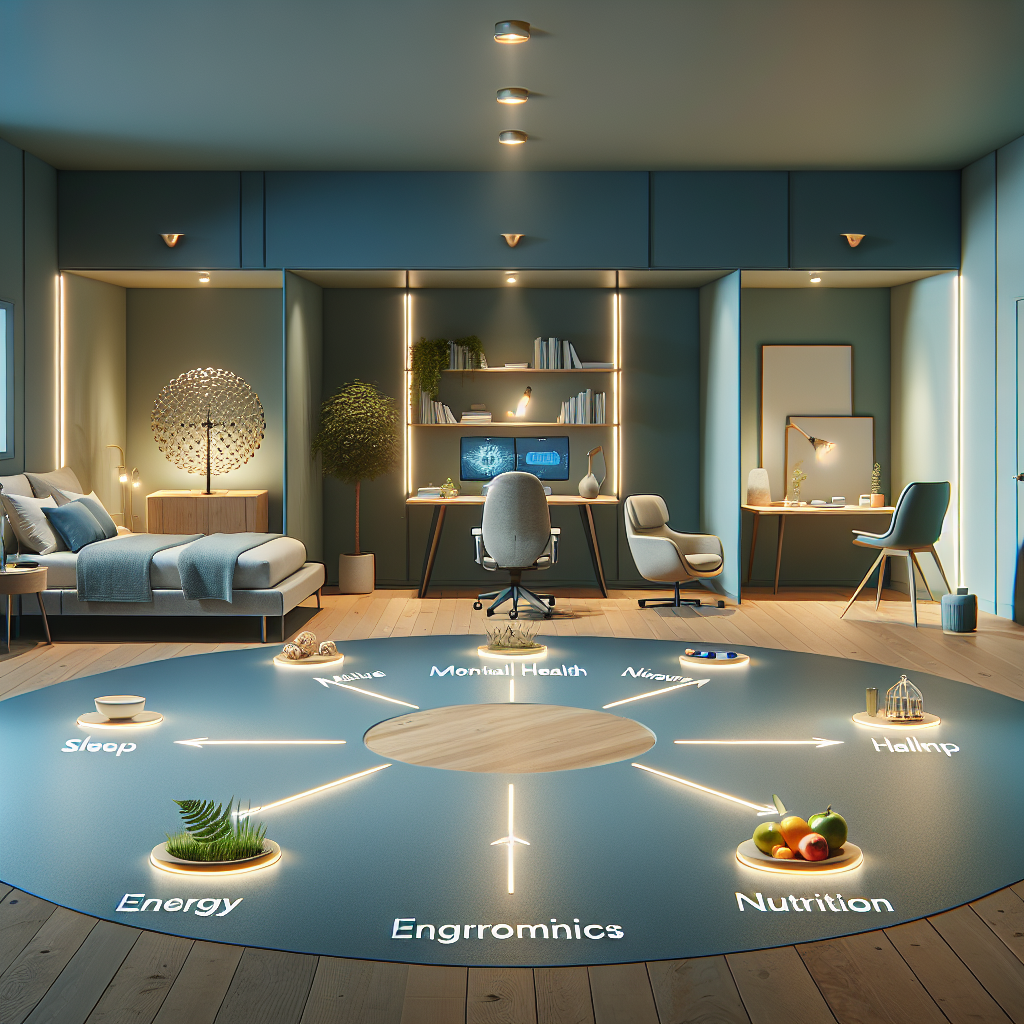
In our hyper-connected world, the lines between work and leisure have blurred, leading to an increasing prevalence of digital burnout and cognitive function decline. The constant influx of notifications, endless scrolling, and the pressure to be perpetually available can drain mental resources, leaving individuals feeling exhausted and unproductive. This pervasive modern phenomenon isn’t just about feeling tired; it fundamentally impacts our ability to focus, make decisions, and retain information. Understanding its nuances and implementing effective strategies is crucial for maintaining mental acuity and overall well-being in the digital age. This article provides a holistic roadmap to reclaim your mental energy and optimize brain performance against the backdrop of persistent digital demands.
Understanding Digital Burnout: The Modern Epidemic
Digital burnout is a state of mental, physical, and emotional exhaustion caused by prolonged and excessive use of digital devices and constant exposure to digital stimuli. Unlike general professional burnout, digital burnout specifically arises from the unique pressures of the information age, including information overload, constant connectivity, and the blurring of work-life boundaries.
Symptoms of Digital Overload
The signs of digital burnout manifest across various domains:
- Physical Symptoms: Chronic fatigue, headaches, eye strain, neck and back pain, sleep disturbances.
- Mental Symptoms: Difficulty concentrating, memory problems, decision fatigue, reduced creativity, heightened anxiety, feelings of inadequacy.
- Emotional Symptoms: Irritability, apathy, feelings of detachment, a sense of dread when faced with digital tasks, emotional numbness.
Impact on Cognitive Function
The most alarming aspect of digital burnout is its direct assault on cognitive function. Our brains are not designed for perpetual multi-tasking and constant stimulation. Excessive digital engagement can lead to:
- Impaired Focus and Attention: The brain’s ability to filter distractions and sustain attention is compromised, leading to a “scattered” mind.
- Reduced Working Memory: The capacity to hold and manipulate information temporarily decreases, making learning new tasks and problem-solving more challenging.
- Decision Fatigue: Constant small decisions (which email to open, which notification to check) deplete our finite reserves of willpower and decision-making capacity.
- Lowered Creativity: The brain needs downtime and unstructured thought to foster creativity, which is often denied by continuous digital engagement.
To deepen your understanding of these intricate connections and explore preventive measures, watch our detailed video breakdown on this topic. Visit Infomed English YouTube for expert insights.
Ergonomic and Environmental Adjustments for Digital Wellness
Optimizing your physical environment is a foundational step in mitigating digital burnout and supporting sustained cognitive function. Simple changes can significantly reduce physical strain and mental fatigue.
Optimizing Your Workspace
An ergonomically sound workspace can prevent many physical symptoms associated with prolonged screen time:
- Lighting: Ensure adequate, diffused lighting to reduce eye strain. Avoid glare on your screen.
- Chair and Desk: Invest in an ergonomic chair that supports proper posture. Adjust your desk height so your elbows are at a 90-degree angle while typing.
- Monitor Height: Position your monitor so the top of the screen is at eye level, about an arm’s length away. This prevents neck strain.
- Declutter: A tidy physical workspace often translates to a tidier mental space, reducing visual distractions.
Reducing Digital Clutter and Blue Light Exposure
Your digital environment is just as important as your physical one:
- Organize Digital Files: Regularly clear your desktop, organize files, and unsubscribe from unnecessary newsletters. A streamlined digital space reduces cognitive load.
- Blue Light Reduction: Blue light emitted from screens can disrupt your circadian rhythm, impacting sleep and subsequent cognitive performance. Use blue light filtering glasses or software (like Night Shift on iOS/macOS or f.lux on Windows).
- Regular Breaks: Implement the 20-20-20 rule: every 20 minutes, look at something 20 feet away for 20 seconds to rest your eyes. Stand up and move around every hour.
For daily practical tips on enhancing your workspace and forming healthier digital habits, join our vibrant Telegram Community. We share insights to help you combat digital strain effectively.
Mindful Digital Habits and Time Management
Proactive management of your digital engagement is paramount in preventing digital burnout and cognitive function decline. This involves cultivating intentional habits that prioritize your well-being over constant connectivity.
Implementing Digital Boundaries
Setting clear boundaries helps regain control over your digital life:
- Scheduled Screen Time: Designate specific times for checking emails, social media, and news. Avoid impulsive checking throughout the day.
- Digital-Free Zones: Establish areas in your home (e.g., bedroom, dining table) where digital devices are prohibited.
- “Do Not Disturb” Hours: Activate “Do Not Disturb” modes during focused work periods, meals, and before bedtime.
- Regular Digital Detoxes: Periodically disconnect entirely for a few hours, a day, or even a weekend. This allows your brain to reset and reduces overstimulation.
Enhancing Focus and Productivity
Strategic approaches to work can prevent the overwhelming feeling of digital overload:
- Single-Tasking: Challenge the myth of effective multitasking. Focus on one task at a time to improve concentration and task quality.
- Batching Similar Tasks: Group similar activities, such as responding to emails or making calls, into designated blocks of time. This minimizes context-switching, a major drain on cognitive resources.
- Pomodoro Technique: Work in focused bursts (e.g., 25 minutes) followed by short breaks. This structure can significantly improve concentration and reduce mental fatigue.
- Prioritize and Delegate: Use tools like the Eisenhower Matrix to prioritize tasks. Delegate when possible to lessen your digital load.
Nutritional Support for Brain Health and Energy
Your diet plays a critical role in sustaining optimal cognitive function and providing the energy needed to resist digital burnout. A brain-healthy diet is a cornerstone of digital wellness.
Key Nutrients for Cognitive Function
Fuel your brain with these essential nutrients:
- Omega-3 Fatty Acids: Found in fatty fish (salmon, mackerel), flaxseeds, and walnuts, Omega-3s are vital for brain structure and function, supporting memory and mood.
- Antioxidants: Berries, dark leafy greens, and dark chocolate protect brain cells from oxidative stress, which can impair cognitive performance.
- B Vitamins: Whole grains, legumes, and lean meats are rich in B vitamins, essential for energy production in brain cells and neurotransmitter synthesis.
- Choline: Eggs, beef liver, and soybeans provide choline, a precursor to acetylcholine, a neurotransmitter crucial for memory and learning.
Hydration and Blood Sugar Management
Beyond specific nutrients, overall dietary habits are crucial:
- Stay Hydrated: Even mild dehydration can impair concentration, memory, and mood. Aim for at least 8 glasses of water daily.
- Balanced Meals: Consume meals that balance complex carbohydrates, lean protein, and healthy fats. This helps stabilize blood sugar, preventing energy crashes and brain fog.
- Limit Processed Foods and Sugars: These can lead to inflammation and rapid blood sugar spikes and crashes, negatively impacting mood and cognitive sharpness.
- Gut Health: The gut-brain axis is increasingly recognized as vital. Incorporate probiotics (yogurt, kefir, fermented foods) and prebiotics (fiber-rich foods) to support a healthy gut microbiome, which influences brain function and stress response.
The Power of Rest: Sleep and Recovery
Adequate sleep and strategic recovery periods are non-negotiable for combating digital burnout and cognitive function impairment. Without proper rest, the brain cannot repair itself or consolidate information effectively.
Prioritizing Quality Sleep
Sleep is not merely downtime; it’s active restoration for your brain and body:
- Consistent Sleep Schedule: Go to bed and wake up at the same time each day, even on weekends, to regulate your circadian rhythm.
- Create a Relaxing Bedtime Routine: Wind down with activities like reading a physical book, taking a warm bath, or meditating, avoiding screens for at least an hour before sleep.
- Optimize Your Sleep Environment: Ensure your bedroom is dark, quiet, and cool. Blackout curtains, earplugs, or a white noise machine can be beneficial.
- Limit Caffeine and Alcohol: Avoid caffeine late in the day and alcohol close to bedtime, as both can disrupt sleep architecture.
Strategic Napping and Relaxation Techniques
Beyond nocturnal sleep, short periods of rest can recharge your brain:
- Power Naps: A 20-30 minute nap can improve alertness, performance, and mood without causing grogginess (sleep inertia). Avoid long naps, which can interfere with nighttime sleep.
- Mindfulness and Meditation: Regular practice of mindfulness meditation can reduce stress, improve attention, and enhance emotional regulation, directly counteracting the effects of digital overload.
- Deep Breathing Exercises: Simple techniques like box breathing can quickly calm the nervous system, reducing acute stress and helping to reset your mental state during a busy day.
- Time in Nature: Spending time outdoors, away from screens, has been shown to reduce mental fatigue and improve cognitive performance.
Tools and Technologies to Aid Recovery from Digital Burnout
While digital devices can contribute to burnout, certain technologies can also be leveraged to foster better digital habits and support recovery, enhancing your cognitive function and overall well-being. These tools are designed to help you manage screen time, practice mindfulness, and improve sleep.
Leveraging Apps and Devices for Digital Wellness
Consider integrating the following into your routine:
- Mindfulness and Meditation Apps: These applications offer guided meditations, breathing exercises, and sleep stories to reduce stress and improve focus.
- Productivity and Focus Apps: Designed to block distractions or encourage focused work sessions, these tools can help you reclaim your attention span.
- Blue Light Filtering Software/Hardware: Essential for protecting your eyes and sleep cycle, these can be software on your devices or physical screen overlays/glasses.
- Smart Sleep Trackers: Devices that monitor sleep patterns can provide insights into your sleep quality, helping you make informed adjustments for better rest.
Comparison of Digital Wellness Tools
Here’s a brief comparison of popular tools that can assist in combating digital burnout:
| Product | Price | Pros | Cons | Best For |
|---|---|---|---|---|
| Calm / Headspace (Mindfulness Apps) | Free basic; Premium ~$70/year | Extensive libraries of guided meditations, sleep stories, breathing exercises. User-friendly interfaces. | Subscription cost can be high. Requires commitment for benefits. | Stress reduction, improving sleep quality, cultivating mindfulness. |
| Forest (Productivity App) | Free basic; Pro ~$1.99 one-time | Gamified focus timer (Pomodoro-like). Plants real trees with virtual coins. | Limited advanced features compared to dedicated project management tools. | Users seeking motivation to stay focused and reduce phone addiction. |
| f.lux / Night Shift (Blue Light Filters) | Free | Automatically adjusts screen color temperature based on time of day. Reduces eye strain and improves sleep. | May affect color accuracy for graphic designers or photographers. | Anyone using screens extensively, especially in the evening. |
| Oura Ring / Fitbit (Smart Wearables) | Oura: ~$299 + subscription; Fitbit: ~$100-200 | Detailed sleep tracking, heart rate variability, activity monitoring. Provides actionable insights. | Higher initial cost, Oura has a monthly subscription. Requires wearing a device. | Individuals wanting in-depth data on sleep, recovery, and overall health metrics. |
For a structured step-by-step plan that integrates these tools and holistic strategies into your daily life, check our professional e-books. Our Clerloop Digital Guides offer comprehensive guidance curated by medical experts.
Final Recommendations
Combating digital burnout and enhancing cognitive function requires a multi-faceted approach. Start by understanding the signs and impacts of digital overload. Implement ergonomic adjustments to your workspace, cultivate mindful digital habits, and prioritize nutritional support for your brain. Crucially, recognize that quality sleep and strategic recovery are vital for mental resilience. Leverage beneficial technologies to aid your journey towards a healthier relationship with the digital world. By integrating these strategies, you can reclaim your focus, reduce mental fatigue, and thrive in our interconnected age.
For more in-depth guidance and personalized strategies, explore our resources:
- Watch our detailed video breakdowns and expert discussions on Infomed English YouTube.
- Join our Telegram Community for daily health tips and peer support.
- Access structured, step-by-step plans and professional medical advice through our Clerloop Digital Guides.
Frequently Asked Questions
Is digital burnout the same as regular burnout?
While sharing common symptoms like exhaustion and reduced productivity, digital burnout specifically stems from the unique demands of constant digital connectivity, information overload, and the blurred lines between online work and personal life. Regular burnout often has broader causes related to overall job stress or life circumstances, though digital factors can certainly contribute to both.
How quickly can I recover from digital burnout?
Recovery time varies greatly depending on the severity of burnout and the consistency of implemented strategies. Mild cases might see improvement in a few weeks with focused changes, while severe cases could take several months or more. Consistent application of mindful digital habits, improved sleep, nutrition, and stress management is key to sustainable recovery.
What role does diet play in combating digital burnout?
Diet plays a crucial role. A brain-healthy diet rich in Omega-3s, antioxidants, B vitamins, and adequate hydration supports optimal cognitive function, energy levels, and mood regulation. Poor diet, high in processed foods and sugar, can lead to inflammation, energy crashes, and brain fog, exacerbating digital burnout symptoms.
Are digital detoxes truly effective?
Yes, strategic digital detoxes can be highly effective. They provide the brain with a much-needed break from constant stimulation, allowing for mental reset, improved focus, and reduced stress. The key is to make them intentional and to integrate the lessons learned (e.g., specific boundaries or activities without screens) into your daily routine afterward, rather than simply reverting to old habits.
Can children experience digital burnout?
Absolutely. Children and adolescents are particularly vulnerable to digital burnout due to their developing brains and often less developed self-regulation skills. Excessive screen time, social media pressure, and online gaming can lead to similar symptoms as adults, including irritability, sleep disturbances, reduced concentration, and anxiety. Parental guidance and setting healthy digital boundaries are essential.
References and Further Reading
- World Health Organization. (2019). Burn-out an “occupational phenomenon”: International Classification of Diseases. Retrieved from: WHO News
- Mayo Clinic. (n.d.). Burnout: Why it’s so important to recognize the signs. Retrieved from: Mayo Clinic Health Lifestyle
- PubMed Central. (2017). The Impact of Digital Technology on Human Brain Activity. *Frontiers in Psychology*, 8, 1143. Retrieved from: PubMed Central
- National Institute of Mental Health. (n.d.). Digital Health. Retrieved from: NIMH Digital Health
- Harvard Health Publishing. (2020). Blue light has a dark side. Retrieved from: Harvard Health
